
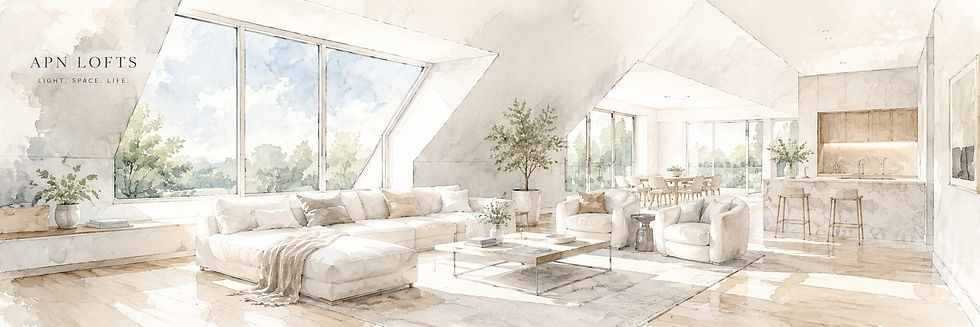
Loft Bathrooms and Interior Finishes
Turn Your Loft Conversion into a Comfortable and Practical Living Space
A successful loft conversion is not only about creating additional floor space.
The internal layout, bathroom design, storage, lighting and finishes will all affect how comfortable and useful the completed loft feels.
Whether you are planning a new bedroom suite, a home office, a family room or a flexible guest space, the details should be considered early enough to work with the structure, plumbing and layout.
Good planning can help transform a converted roof space into a natural and attractive part of the home.
Planning a Loft Bathroom or En-Suite
Adding a bathroom or en-suite is one of the most popular ways to make a loft conversion more useful.
A well-positioned bathroom can turn the new space into a practical bedroom suite and reduce the need to use facilities on the floor below.
However, the layout needs to be considered carefully.
Loft bathrooms often need to work around sloping ceilings, limited head height and the position of the existing drainage and water supplies.
The design may need to consider:
-
the position of the shower, bath, basin and WC;
-
available head height;
-
the roof slope;
-
drainage routes;
-
water pressure;
-
ventilation;
-
natural light;
-
waterproofing;
-
heating;
-
storage;
-
privacy;
-
access for future maintenance.
The most attractive layout is not always the most practical one. Plumbing and drainage should be reviewed before the design is finalised.
Making Sensible Use of Lower Roof Areas
Loft conversions often include areas where the ceiling height is too low for comfortable circulation.
These spaces can still be valuable.
Low-level roof areas may be suitable for:
-
fitted cupboards;
-
drawers;
-
shelving;
-
wardrobes;
-
built-in desks;
-
seating;
-
storage for occasional items;
-
discreet access panels for maintenance.
Well-designed storage can help make the loft feel larger and reduce the need for bulky freestanding furniture.
It can also turn otherwise awkward areas into useful parts of the room.
Choosing the Right Interior Layout
The completed loft should feel balanced and easy to use.
Before deciding on the finishes, it is helpful to think about:
-
the position of the bed or main furniture;
-
access around the room;
-
the staircase arrival point;
-
the best locations for rooflights and windows;
-
storage requirements;
-
bathroom access;
-
power points;
-
lighting;
-
heating;
-
views;
-
privacy.
Furniture layouts should be considered early, especially where the roof slopes reduce the amount of full-height wall space.
Lighting Your Loft Conversion
Loft conversions often benefit from excellent natural light.
Rooflights, dormer windows and glazed doors can help make the room feel bright and spacious during the day.
Artificial lighting is equally important.
A well-designed scheme may combine:
-
ceiling lights;
-
wall lights;
-
bedside lighting;
-
task lighting;
-
bathroom lighting;
-
staircase lighting;
-
low-level lighting;
-
feature lighting within storage areas.
The aim is to create a warm and flexible space that works throughout the day and evening.
Flooring and Acoustic Comfort
The flooring should suit the way the loft will be used.
Carpet can help create a quieter and softer bedroom environment. Timber or engineered flooring may suit a home office or studio. Bathrooms will usually need suitable moisture-resistant finishes.
Acoustic comfort should also be considered.
The loft sits above the existing rooms, so noise transfer can affect the bedrooms or living spaces below.
The internal build-up may need to allow for:
-
suitable floor construction;
-
acoustic insulation;
-
underlay;
-
careful detailing around service routes;
-
quieter door arrangements;
-
sensible furniture placement.
Good acoustic design can make the new loft more comfortable for the entire household.
Heating and Ventilation
A converted loft should remain comfortable throughout the year.
Roof spaces can become warm during summer and lose heat quickly in colder weather if the insulation, glazing and ventilation are not properly considered.
Depending on the design, the loft may need:
-
radiators;
-
underfloor heating;
-
opening rooflights or windows;
-
bathroom extract ventilation;
-
background ventilation;
-
blinds or shading;
-
suitable insulation;
-
solar-control glazing;
-
mechanical ventilation where appropriate.
Bathrooms need particular attention because poor ventilation can lead to condensation and long-term maintenance problems.
Electrical and Smart-Home Features
The electrical layout should reflect how the loft will actually be used.
A bedroom suite, office or studio may each need different arrangements.
Consider:
-
socket locations;
-
USB charging points;
-
lighting controls;
-
internet connectivity;
-
television points;
-
extractor fans;
-
electric blinds;
-
smart heating controls;
-
security;
-
smoke alarms;
-
future flexibility.
It is easier and more cost-effective to plan these items before plastering and decorating begins.
Bathrooms, Storage and Interior Finishes Should Be Planned Early
Interior finishes are often treated as the final stage of the project.
However, some decisions should be made much earlier.
The bathroom location affects drainage and plumbing. Storage can affect the layout of internal walls. Rooflight positions influence furniture arrangements. Lighting and electrical routes need to be coordinated before the walls and ceilings are closed.
Considering the finished space from the outset can help avoid unnecessary changes during construction.
Choose Finishes That Suit the Property
The completed loft does not need to imitate the rest of the home exactly, but it should feel connected to it.
A clean, simple finish often works well.
Neutral walls, carefully chosen flooring, good-quality joinery and well-positioned lighting can help create a calm and attractive space.
The aim is not simply to add another room. It is to create accommodation that feels as though it belongs within the home.
Find Bathroom and Interior-Finishing Professionals
Planning the final stages of your loft conversion?
Tell us a little about your property, the type of space you hope to create and the stage your project has reached.
Where appropriate, APN can introduce you to suitable bathroom, joinery and interior-finishing professionals, together with other specialists who may be able to assist with your loft conversion.